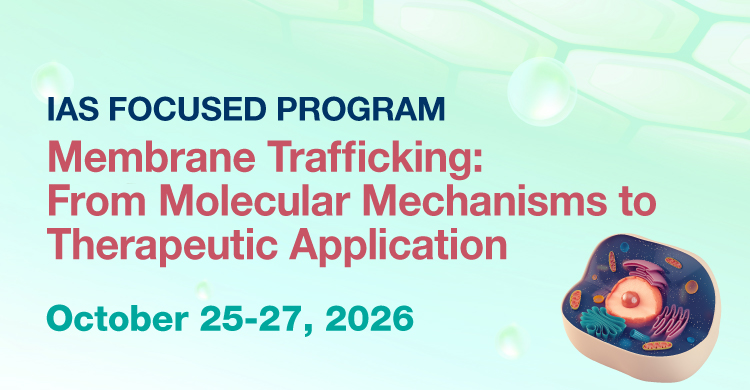
Membrane trafficking is a vital biological process that plays a crucial role in cellular and physiological functions. It enables the transport of essential molecules, including proteins and lipids, which are synthesized inside the cell and subsequently released into the bloodstream to fulfill their biological roles. This process also allows cells to uptake nutrients and sense external signals, facilitating growth and adaptation. A central feature of membrane trafficking is the use of transport vesicles, which act as molecular delivery vehicles to ensure precise cargo transport to their destinations. Intriguingly, alternative mechanisms, such as unconventional secretion, also exist, operating independently of vesicles or bypassing key steps in the conventional secretory pathway.
Advances in experimental methods have provided groundbreaking insights into the mechanisms and functions of membrane trafficking. Gene-editing tools like CRISPR/Cas9 have significantly enhanced our understanding of how vesicular transport regulates physiological processes in living organisms. Emerging studies highlight the importance of genes involved in protein secretion and their potential as therapeutic targets for treating human diseases. Furthermore, decoding the molecular principles behind membrane trafficking has uncovered innovative strategies to manipulate cellular functions. By modulating this process, researchers are exploring new therapeutic possibilities for disease intervention.
The program aims to bring together leading experts in membrane trafficking to share their most recent discoveries and insights. Leveraging Hong Kong’s strategic accessibility for researchers from the US, Europe, and Mainland China, the program provides a dynamic platform for scientific exchange between Eastern and Western scholars. It also promotes knowledge dissemination across disciplines, encouraging cross-disciplinary dialogue and collaboration. A key focus of the program is to strengthen interactions among scientists, further building the research community and fostering productive collaborative partnerships.